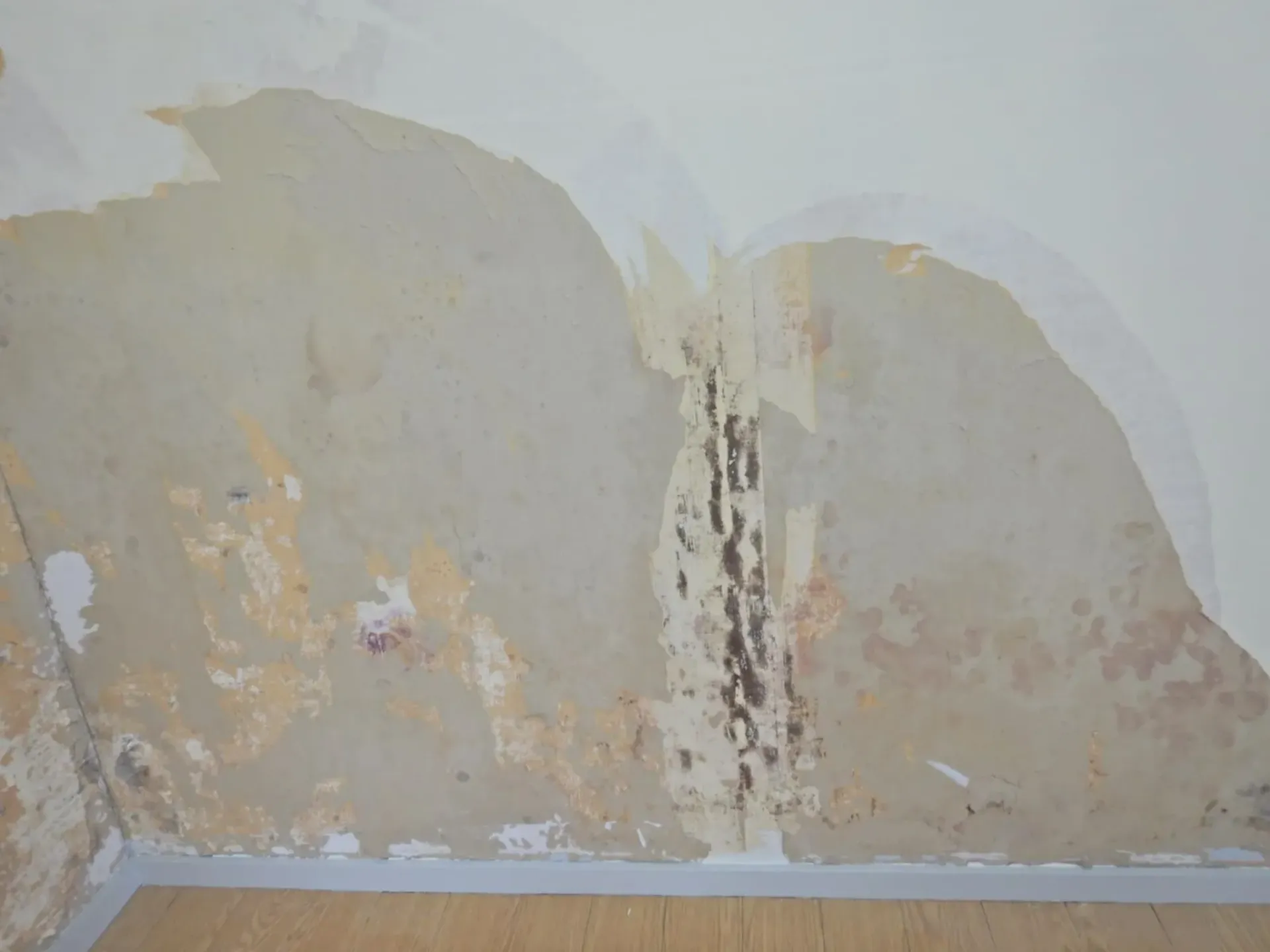
Breathe Easy in Japan: Stop Mold From Ruining Your New Life & Career—Call MIST KabiBusters Sendai Now!
2025/08/24

Breathe Easy in Japan: Stop Mold From Ruining Your New Life & Career—Call MIST KabiBusters Sendai Now!
From musty apartments to office headaches, discover why international residents and staff trust our local Sendai experts to make mold disappear—fast.
Welcome to Japan! Whether you’ve just unpacked your suitcases in a cozy Sendai apartment or settled into an office overlooking tree‑lined streets, the Land of the Rising Sun holds endless adventures. Yet the region’s humid summers and tightly insulated buildings can turn that excitement into frustration when mold creeps onto wallpaper, air‑con vents, or even your favorite leather shoes. Maybe you’ve spotted dark spots spreading behind furniture, detected a persistent earthy odor during Zoom meetings, or noticed coworkers sneezing more than usual. Perhaps you’re worried about lease inspections, health regulations, or simply protecting your belongings and reputation at work. Don’t let those green and black invaders sabotage your fresh start! MIST KabiBusters Sendai understands the unique challenges foreigners face—language barriers, unfamiliar housing rules, limited time off, and strict corporate standards. Our bilingual team listens, explains, and acts quickly so you can focus on exploring ramen alleys, mastering keigo, or hitting project deadlines—without inhaling spores. From emergency assessments to discreet weekend visits, we tailor solutions that fit expat schedules and employer policies. When mold strikes, you deserve clear answers, prompt action, and a hassle‑free experience. Reach out today and breathe easy tomorrow!
目次
Welcome to Japan—Why Mold Finds You So Quickly
High humidity, airtight buildings, and everyday habits create a perfect storm—discover the hidden reasons mold greets newcomers to Japan before the welcome party ends.
Stepping off the plane at Sendai Airport, you might first notice the crisp coastal breeze or the polite chorus of “Irasshaimase!” echoing through convenience stores. What many newcomers do not expect is the stealthy guest already waiting in their apartment or office: mold. Japan’s reputation for cleanliness can be disarming, yet its unique blend of climate, architecture, and lifestyle makes indoor mold almost inevitable if you do not plan ahead.
Japan’s rainy season, called tsuyu, blankets homes in soupy humidity for four to six weeks each early summer. Then, without warning, the calendar flips to a heat‑wave August that traps that moisture inside like a sauna. Modern apartments and commercial buildings are superbly insulated to conserve energy and keep out traffic noise, but that same tight seal also locks in moisture from showers, cooking steam, and even human breath. Ventilation fans exist, yet many rentals set them to run only intermittently to save electricity, allowing invisible water vapor to condense behind wallpaper or underneath raised tatami floors.
Cultural habits multiply the risk. It is normal to dry laundry indoors on rainy days, and tiny bathrooms combine warm water, limited ventilation, and porous grout—mold heaven. In offices, windows are rarely opened; reliance on central air conditioning means any leak or clogged drain pan can spread spores through the entire duct network before staff notice that musty after‑lunch aroma.
Local building materials also accelerate growth. Porous washi wallpaper, untreated plywood wardrobes, and straw‑core tatami mats wick moisture like sponges. Add seasonal temperature swings—freezing winters require space heaters that create warm surfaces on cold walls, promoting condensation—and mold gains yet another foothold.
Health effects arrive quietly. Lightheadedness after morning coffee, itchy eyes in afternoon meetings, or a soft cough that refuses to leave can be early warnings. For companies, moldy ceilings threaten compliance audits and employee satisfaction scores; for renters, discoloration jeopardizes deposit refunds and landlord reviews. Expat tenants often hesitate to complain, worried about language barriers or social friction, so problems escalate until personal belongings smell like a forest floor.
The good news? Mold’s tactics are predictable once you understand Japan’s environmental playbook. Strategic ventilation, dehumidifiers, and prompt action at the first discoloration can stop the invasion. Yet when colonies spread out of sight—inside wall cavities, beneath office carpet tiles, or along HVAC coils—professional assessment becomes critical. The sooner an expert pinpoints hidden moisture routes, the cheaper and safer the solution.
Remember: confronting mold early protects your health, your reputation with landlords or HR, and the treasured souvenirs of your new life abroad. If you spot suspicious shadows on wallpaper, detect an earthy odor after turning on the AC, or simply want peace of mind before the next rainy season, don’t wrestle with translation apps or hardware‑store chemicals alone. Reach out to MIST KabiBusters Sendai—the local, bilingual specialists trusted by international residents and corporate managers alike—to reclaim your home or workplace and keep your Japanese adventure fresh and healthy from day one.
Spot Check Guide: Is Mold Lurking in Your Home or Office?
A Ten‑Minute DIY Inspection Checklist Every Expat Should Run Before Mold Turns Into a Full‑Blown Crisis
When a strange earthy smell greets you at the door, or tiny speckles appear on a white ceiling tile, chances are they’re early‑warning signs that mold has already claimed more real estate in your apartment or office than you ever authorized. Japan’s humidity‑rich climate makes these signals easy to overlook, so a quick but systematic “spot‑check” is your first line of defense. Start at the entryway: look up at shoe cabinets—leather often hides the first fuzzy outbreaks. Slide a finger along the underside of shelves; if it comes away damp or dusty‑black, spores are staging a quiet invasion. Move to the bathroom next. Run the shower on hot for thirty seconds, then switch off the lights and shine your phone torch along grout lines and the silicone around faucets—silvery flecks or orange‑pink stains are mold colonies in their infancy. In the kitchen, pull out the refrigerator just five centimeters; condensation drips down the back panel, pooling where warm coils meet cool air. Feel for stickiness or see‑through slime—both signal bacterial allies that feed mold.
Don’t skip the bedroom wardrobe. Tatami mats, washi wallpaper, and pressed‑wood closet walls wick moisture from freshly laundered clothes hung indoors on rainy days. Insert a hand behind stored suitcases; if the air feels cooler than the center of the room, latent condensation is likely. In shared office spaces, focus on ceiling air‑conditioning vents and carpet seams under desks. A blocked drain pan can spread spores through ducts long before employees smell that tell‑tale “old library” odor. Lift one corner of carpet tile gently; discoloration or a leathery film underneath means trouble is brewing at floor level. Finally, trust your body’s sensors: unexplained morning congestion, recurring headaches, or itchy eyes that calm down outdoors often trace back to invisible colonies.
Document every suspicious patch with timestamped photos and note any odors, leaks, or recent weather extremes. Small areas (under one square foot) can be wiped with 70 % alcohol and monitored, but anything larger, persistent, or in HVAC systems warrants professional attention—especially in rental properties where surprise stains threaten deposit refunds and in workplaces where air‑quality regulations apply. If your checklist raises even a single red flag, don’t wrestle with translation apps or guess which cleaning fluid is safe for Japanese building materials. Call MIST KabiBusters Sendai—our bilingual team is ready to conduct a full assessment, explain findings in clear English, and help you reclaim a healthy, mold‑free environment before the next rainy season strikes.
Hidden Health & Productivity Risks Every Expat Should Know
From Brain Fog to Budget Overruns—How Invisible Mold Quietly Drains Your Health, Focus, and Wallet in Japan
Moving overseas is already a high‑pressure adventure—new language, new food, new office etiquette. The last thing any expat expects is for an unseen organism to add another layer of stress. Yet mold spores thrive in Japan’s humid climate and airtight buildings, and their impact on human performance is far more serious than a few ugly stains on the wall. Below is a candid look at the hidden health and productivity risks that many foreign residents discover only after weeks—or months—of unexplained discomfort.
First come the subtle symptoms: a scratchy throat that refuses to clear, morning congestion that feels like a mild cold, or itchy eyes that calm down the moment you step outside. These irritations often go unreported because they mimic seasonal allergies. However, prolonged mold exposure can provoke stronger immune responses—persistent coughing, sinus infections, and even asthma‑like wheezing in adults who have never been asthmatic. Children are especially vulnerable, but so are jet‑lagged professionals whose immune systems are already stretched thin by relocation stress.
Less obvious is the cognitive toll. Clinical studies link certain mycotoxins to headaches, memory lapses, and decreased concentration. If your team suddenly needs an extra cup of coffee to power through tasks, hidden mold could be hijacking brain chemistry. Multiply that brain fog across an entire open‑plan office and you get slower project turnarounds, missed KPIs, and costly overtime. For startup founders and tech contractors billing by deliverables, even a small dip in mental clarity can erode profit margins.
Financial losses extend beyond medical bills and productivity dips. Household electronics—laptops, gaming consoles, even camera lenses—can develop internal corrosion when spores settle on circuit boards. Replacing a mold‑damaged MacBook or paying a specialist to clean your prized DSLR adds unexpected yen to your cost of living. Rental deposits are at stake too: landlords readily deduct for anything resembling negligence, and mold‑stained wallpaper or tatami mats count as major damage under many Japanese leases. In the corporate world, HR departments must report indoor‑air incidents, exposing companies to compliance fines and employee turnover.
Then there is reputation. In tight‑knit professional circles, word travels fast about apartments “with a smell” or offices where staff routinely call in sick. A mold‑free environment signals that you—or your employer—prioritize health and quality. Neglect, on the other hand, risks branding you as careless or out of touch with local standards.
The takeaway? Mold is not merely aesthetic. It chips away silently at your body, your productivity, and your finances until a minor nuisance becomes a major disruption. If you notice recurring colds, lingering odors in air‑conditioned rooms, or electronic devices failing without reason, don’t wait for the next rainy season to confirm your suspicions. Document the signs, share your concerns with building management, and—most importantly—consult a trusted local specialist. A quick call to MIST KabiBusters Sendai can turn a long‑term headache into a short afternoon appointment, letting you focus on career milestones, language goals, and weekend adventures instead of doctor visits and repair receipts. Breathe easier, think sharper, and keep your Japanese journey on track.
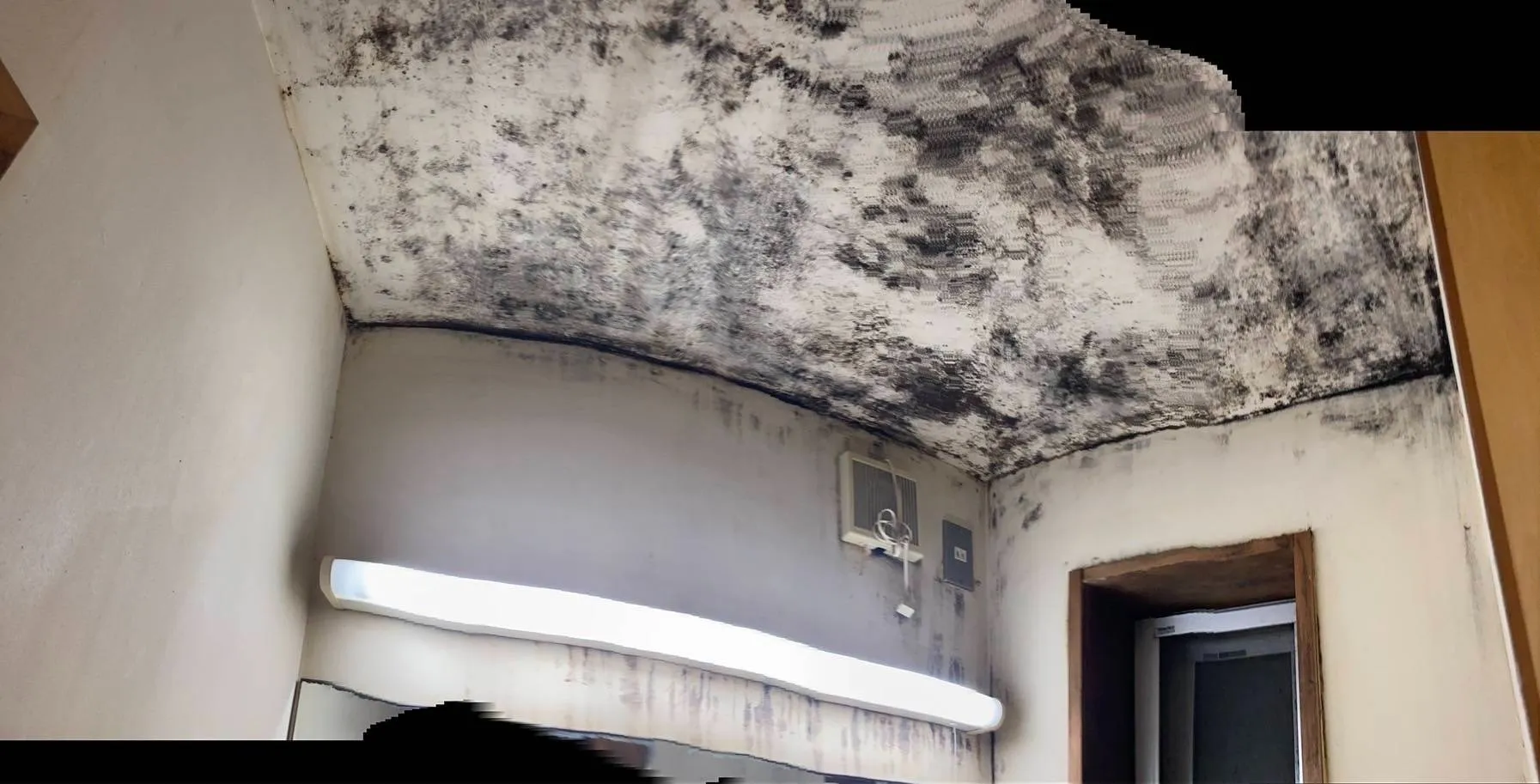
Top Mold Hotspots in Japanese Apartments and Workplaces
Where Spores Love to Hide: Eight Overlooked Zones That Turn Japanese Homes & Offices into Mold Playgrounds
Japan’s blend of seasonal humidity, compact architecture, and energy‑saving insulation creates a treasure map for mold—if you know where to look. Below are the top hotspots our inspectors encounter across Sendai apartments and corporate workspaces. Run through them today; the sooner you act, the cheaper the fix.
1. Bathroom Ceiling & Fan Housing
Steam from nightly baths rises, condenses, and settles above the gypsum board. Dust caught in loosely cleaned extractor‑fan grills provides breakfast for spores, so wipe blades monthly and run the fan an extra 30 minutes after showers.
2. Kitchen Sink Cabinet
Leaky P‑traps and warm pipework meet rice‑cooker moisture. Feel the particleboard floor for softness or discoloration; install a small desiccant pack to stay ahead of midnight drips.
3. Refrigerator Rear Panel & Drip Tray
Japan’s space‑saving kitchens push fridges flush against the wall, starving compressor coils of airflow. Pull the unit forward a hand’s width, vacuum coils quarterly, and empty the unseen tray where condensate pools.
4. Tatami Edges & Sliding‑Door Tracks
Traditional straw mats breathe, absorbing muggy summer air. Slide fusuma doors fully open each sunny morning; a simple gust of wind can drop ambient moisture by 10 %.
5. Bedroom Wardrobe Corners
Pressed‑wood closets shield clothing but trap moisture from indoor laundry drying. Use a low‑wattage dehumidifier or charcoal blocks on the floor shelf, and rotate suitcases to prevent cold‑surface condensation.
6. Entryway Shoe Cabinets
Leather shoes exhale perspiration overnight. Ventilate the cabinet door after commutes, and sanitize insoles; that “old gym” smell often predates visible mold colonies.
7. Office Carpet Tiles Over Raised Floors
Under‑floor wiring bays accumulate residual heat from electronics. Lift one tile near printers; if adhesive strings stretch like melted cheese, humidity has breached the underlayment.
8. HVAC Duct Insulation & Ceiling T‑Bars
Corporate AC systems cycle between cooling and dehumidifying modes. Any clogged condensate line can soak the surrounding fiberglass wrap, launching spores through every vent. Schedule annual duct inspections—language barrier or not, building management must comply with indoor‑air regulations.
Spot a musty odor, shadowy patch, or unexplained cough while touring these zones? Document the evidence and reach out to MIST KabiBusters Sendai. Our bilingual team delivers rapid, confidential assessments that restore healthy air before hot August nights or a quarterly audit turns a small patch into a headline problem. Don’t give mold an inch; reclaim your space today.
Landlord, HR, or DIY? Navigating Mold Issues in a New Culture
Know your rights, save your reputation, and choose the smartest response when mold strikes in Japan—before small stains become big cultural headaches.
When you notice suspicious speckles on your apartment’s wallpaper or a musty odor drifting through the office, the instinctive question is: Who should handle this—my landlord, HR, or me? In Japan, the answer hinges on cultural expectations, legal fine print, and practical time lines that differ markedly from what many expats are used to back home. Below is a roadmap to help you navigate these choices with confidence and avoid costly missteps.
1. Read the Fine Print—But Don’t Panic
Your lease (yachin keiyaku) or employment contract may mention “tenant responsibility for proper ventilation” or “company duty of care for employee health,” yet rarely spell out mold procedures in detail. Skimming those clauses is useful, but mold grows faster than most people can decode legal Japanese. Instead, document the damage immediately: snap photos with time stamps, note the humidity level if you own a hygrometer, and record any health symptoms. Clear evidence speeds every conversation that follows.
2. Landlord Route—Politeness First, Persistence Second
Japanese landlords generally view moderate mold as a tenant maintenance issue, not a structural fault. Start with a courteous message to the fudōsan (real‑estate agent) or building manager: a short apology for the inconvenience, followed by the facts and pictures. Expect them to propose simple fixes—running the exhaust fan longer, buying a dehumidifier, wiping with alcohol. If the colony is larger than an A3 sheet of paper or recurs after your efforts, escalate. Mention local regulations on indoor air quality (shitsunai kūki sōsei) and politely request a professional inspection. Document every reply; polite persistence often prompts action, but delays are common when multiple units share the same owner.
3. HR and Facility Management—More Power, More Paperwork
In offices, mold can breach labor‑safety statutes. Report the issue to HR and the facility team simultaneously; CC both so neither assumes the other is handling it. Emphasize objective impacts: employee allergies, lingering odors during client visits, potential audit failures. Japanese corporations value risk mitigation; a clear, data‑driven report typically secures budget for external specialists faster than emotional appeals alone. However, purchasing approvals and scheduling can still take weeks, especially in the fiscal‑year end of March, so start the clock early.
4. DIY Fixes—Know the Limits
Hardware stores sell chlorine‑based sprays and humidity‑absorbing packs that can tame small patches. Yet over‑application bleaches wallpaper, corrodes metal AC fins, and—most critically—fails to treat spores hiding inside walls or ductwork. Attempting a large‑scale DIY cleanup risks forfeiting your deposit or violating workplace safety rules. As a rule of thumb: if mold covers more than 0.3 m², recurs after wiping, or triggers health symptoms, step back and seek expert help.
5. Cultural Nuances—Face‑Saving and Speed
Japan prizes harmony. Aggressive complaints may backfire, yet passive waiting prolongs damage. Strike a balance: be unfailingly polite while showing you understand local standards and timelines. Propose concrete dates (“May I receive an update by next Friday?”) and offer solutions (“I can arrange access for an inspection this Saturday”). Demonstrating flexibility and initiative increases the chance that busy landlords or HR teams will prioritize your case.
6. When to Call External Specialists
Time, health, and financial stakes often align in favor of hiring a local expert who can bypass the learning curve. External reports carry more weight with landlords and HR, expediting cost‑sharing decisions. A bilingual specialist will also bridge language gaps, provide official documentation for insurance claims, and ensure treatments comply with Japanese materials and regulations—critical for preserving security deposits and corporate certifications.
Key Takeaway
Choosing between landlord, HR, or DIY is less about who should fix mold and more about who can act fast enough to protect your health, belongings, and professional reputation. Gather evidence, communicate politely yet firmly, and recognize when the problem exceeds home remedies. If you need rapid, English‑friendly support that satisfies both Japanese landlords and corporate auditors, reach out to MIST KabiBusters Sendai. One call secures a clear diagnosis, actionable report, and swift remediation plan—letting you focus on thriving in Japan, not wrestling with spores or red tape.
Emergency Steps You Can Take Before Professionals Arrive
Quick actions to control moisture, isolate spores, and protect your health until Sendai’s mold experts arrive
When you first notice greenish blotches blooming on the bathroom ceiling or detect that unmistakable “damp basement” smell wafting from the office storeroom, it can feel like an emergency—and in Japan’s humid climate, it is. Mold spreads exponentially once it has moisture, food, and time, so the hours between your discovery and a professional inspection matter. Below is a rapid‑response plan you can execute with everyday supplies and zero Japanese‐language mastery. Follow these steps to slow colony growth, safeguard health, and keep property managers or HR on your side until MIST KabiBusters Sendai rings the doorbell.
Seal Off the Zone (5 minutes)
Close doors leading to the affected room and switch off any central air or fan that might push spores through ducts. Slide a damp towel under the gap to trap airborne particles. If multiple rooms are compromised, prioritize bedrooms and high‑traffic areas first.
Drop Indoor Humidity Below 60 % (10 minutes)
Open opposing windows for cross‑ventilation, even in winter—cold air holds less moisture. Position a portable dehumidifier or air conditioner in “dry” mode directly in front of the mold patch. Empty collection tanks every two hours; stagnant water becomes a secondary breeding ground.
Patch Active Leaks Immediately (15 minutes)
For pipe drips under sinks or AC units, wrap the joint with absorbent cloth and secure it with tape or cable ties. Place a broad pan underneath to prevent floor damage. Photograph the fix; landlords appreciate proactive evidence.
Surface Sterilization—But Only the Safe Zones (20 minutes)
Put on gloves and a disposable mask. Lightly mist 70 % isopropyl alcohol onto non‑porous surfaces like tiles, glass, or metal vents, then wipe with a microfiber cloth. Do not scrub porous materials—wood, wallpaper, tatami—because aggressive friction launches spores deeper inside. Dispose of used cloths in a sealed plastic bag.
Isolate Soft Furnishings (10 minutes)
Remove curtains, bedding, or floor cushions within a two‑meter radius. Double‑bag them in trash liners to prevent spores from scattering en route to the laundromat. Wash on the hottest cycle that fabric care instructions allow, adding a cup of baking soda for extra deodorizing power.
Protect Electronics & Paper Files (10 minutes)
Unplug computers, cameras, and printers residing near the mold zone. Wipe exterior vents with dry tissues and relocate devices to a room with humidity below 50 %. Store documents in airtight plastic bins; mold enzymes degrade paper fibers more quickly than you might think.
Log Symptoms and Odors (5 minutes)
Keep a quick diary: headaches, coughing, odd smells, humidity readings, and photos. This data not only helps professionals pinpoint hidden sources but also strengthens any insurance or deposit claim you might need later.
Limit Exposure Time (ongoing)
Until remediation is complete, spend as little time as possible inside contaminated rooms. If the issue is in your bedroom, sleep in a different area or on a futon folded in the living room with windows cracked open.
Communicate Promptly and Clearly (15 minutes)
Email your landlord or HR department a concise report with images, actions taken, and a request for professional assessment. Stating that you have already scheduled—or would like permission to schedule—MIST KabiBusters Sendai shows initiative and often accelerates approval.
Prepare for the Visit (10 minutes)
Clear floor space around the affected area so technicians can set up equipment quickly. List any chemical cleaners you used; some react poorly with professional treatments. Have your humidity diary and photos ready.
These emergency measures won’t eradicate mold, but they will starve it of optimal conditions, protect your belongings, and reduce spore inhalation risk. Think of them as a medical bandage—essential first aid that stabilizes the situation until specialists administer the cure. If you’ve completed this checklist and spores are still visible, odors persistent, or health symptoms escalating, don’t wrestle alone with bleach myths and language barriers. Contact MIST KabiBusters Sendai for a swift, bilingual inspection and treatment plan that respects Japanese building codes and expat peace of mind.
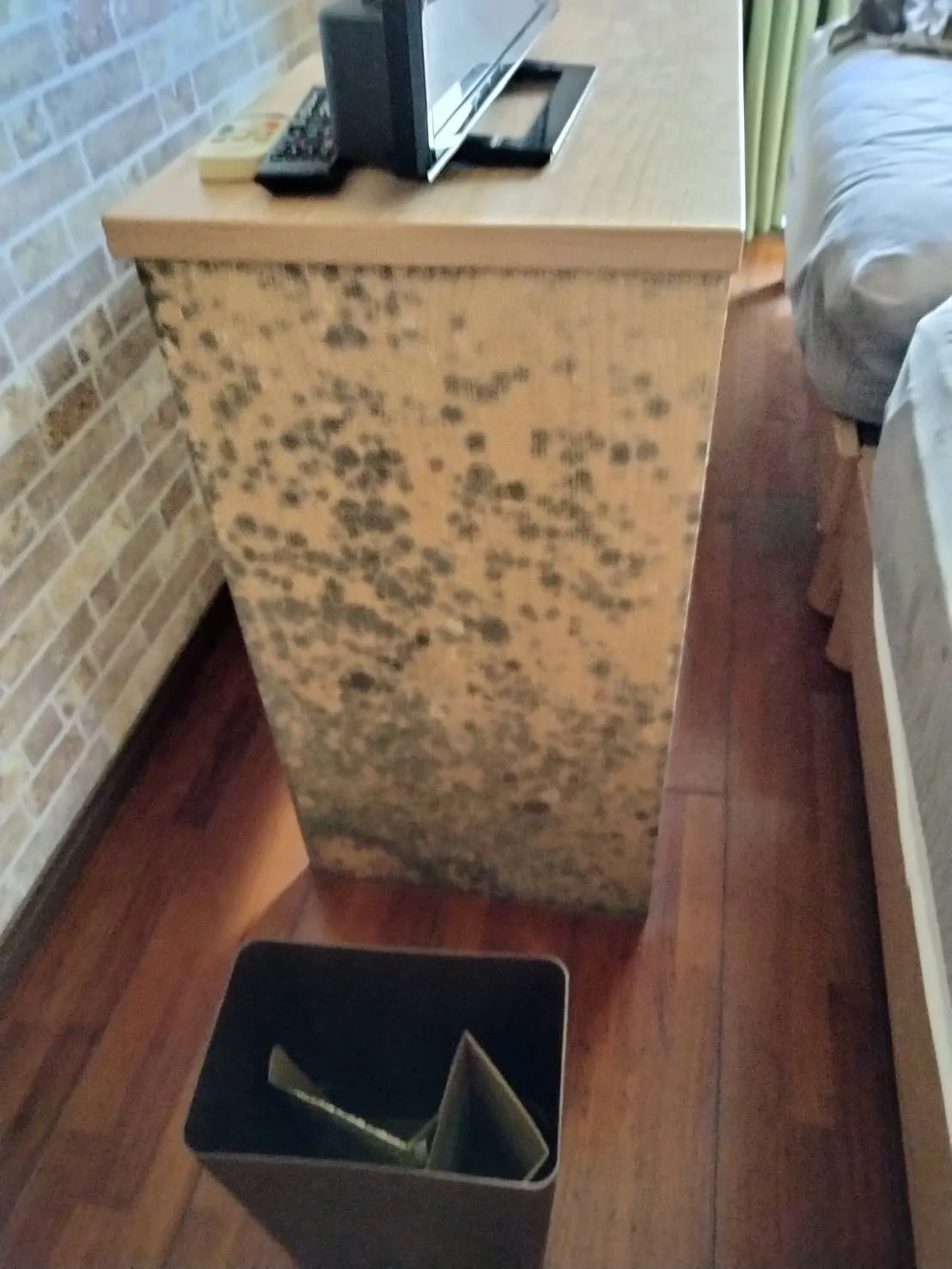
When It’s Time to Call Local Experts in Sendai
When DIY stops working, legal clocks start ticking, and health alarms get louder—know the exact cues that say, “Call Sendai’s mold pros now.”
You have scrubbed the bathroom tiles twice, cranked the dehumidifier to “turbo,” and even aired out your apartment during a snowy Tōhoku night—yet the sour, earthy smell keeps sneaking back. Sound familiar? Japan’s humidity gives mold an unfair home‑field advantage, and there comes a point when home remedies, bilingual Google searches, or well‑meaning coworkers simply are not enough. Below is your practical litmus test—drawn from hundreds of inspections across Sendai—so you can decide with confidence when to pick up the phone and bring in professional backup.
1. The “Bigger‑than‑an‑A3” Rule
If a single patch of discoloration exceeds the footprint of an A3 sheet of paper (roughly 30 cm × 42 cm), odds are high that spores have penetrated drywall seams, tatami cores, or insulation. Surface wiping only removes the visible bloom; hidden roots remain, ready to re‑appear within days.
2. Three‑Week Repeat Offender
Tried alcohol spray, bleach wipes, or anti‑mold paint and the same spot returns within 21 days? That cycle signals an active moisture source—condensation in an AC duct, a micro‑leak in plumbing, or thermal bridging on an exterior wall. Professionals bring infrared cameras and hygrometers to pinpoint and fix the cause, not just the symptom.
3. Mystery Odor in the HVAC
A musty scent the moment you power on air‑conditioning indicates spores inside vents or drip pans. Because office and apartment HVAC systems are closed loops, a single colony can distribute particles to every room. DIY duct cleaning kits rarely reach deep enough; certified techs can dismantle, disinfect, and reseal without voiding landlord warranties.
4. Health Red Flags
Persistent cough, morning congestion, or headaches that disappear when you spend the weekend out of town are classic “body barometers.” Children, allergy sufferers, and remote workers clock the highest exposure hours, so don’t chalk these symptoms up to “pollen” if they intensify indoors.
5. Deposit or Compliance Pressure
Lease renewal inspection in 60 days? Quarterly corporate safety audit next month? Japanese landlords and HR departments rely on third‑party reports to assign responsibility for damage. Securing an independent, bilingual assessment protects your wallet and reputation by documenting pre‑existing conditions and professional remediation steps.
6. Equipment & Asset Damage
Fogged camera lenses, rust flecks on laptop screws, or paper documents curling at the edges signal airborne moisture beyond normal seasonal levels. Replacing electronics is far costlier than hiring experts to dry the environment now.
7. Time & Stress Equation
Calculate your own hourly rate—professional, parental, or personal—and multiply by the weekends or late‑night hours you spend fighting mold. When that figure approaches the cost of inspection, outsourcing becomes the smarter financial choice.
If any single checkpoint above rings true—let alone two or three—stop expending energy on short‑term fixes. MIST KabiBusters Sendai offers rapid on‑site diagnostics, clear English‑language explanations, and remediation methods that align with Japanese building codes and landlord expectations. One discreet visit today prevents expensive surprises tomorrow, letting you breathe easy and get back to enjoying Tōhoku’s festivals, onsens, and career milestones without another mold relapse looming over your shoulder.
How MIST KabiBusters Sendai Eases Expat Mold Stress
From First Call to Fresh Air—Your Bilingual Bridge to Landlords, HR, and Lasting Peace of Mind
When damp stains crawl across the ceiling or coworkers complain of itchy throats, the last thing you need is a maze of untranslated paperwork and finger‑pointing. That’s where MIST KabiBusters Sendai steps in—not as just another cleaning crew, but as a full‑service ally who speaks your language, understands Japanese building etiquette, and keeps every stakeholder on the same page. From the moment you dial our English‑friendly hotline, we assign a coordinator who walks you through next steps in clear, jargon‑free terms. We gather your photos and humidity readings, draft polite yet persuasive messages for landlords or facility managers, and slot an on‑site visit that respects your work schedule—early mornings, lunch breaks, even late evenings after the last train.
On inspection day, our team arrives in unbranded vehicles to avoid embarrassing attention from neighbors or clients. We document findings with timestamped images and concise bilingual reports that satisfy both Japanese lease clauses and overseas corporate audit standards. Worried about lease renewals or HR compliance? We include actionable recommendations and a projected timeline landlords can forward directly to insurance providers, cutting approval delays from weeks to days. For companies, we supply indoor‑air quality data formatted for occupational‑safety filings, reducing red tape while boosting employee trust.
Throughout the process, you receive real‑time updates via email or your preferred messaging app—no guessing, no cultural misfires. By coordinating communication, scheduling follow‑ups, and providing aftercare tips in both English and Japanese, MIST KabiBusters Sendai removes the stress, language barriers, and bureaucratic inertia that so often let mold problems spiral out of control. The result? You breathe cleaner air, protect deposits and equipment budgets, and reclaim your focus for the adventures and achievements that brought you to Japan in the first place.
FAQ: Your Mold Questions—Clear, Practical Answers
Straight‑talk answers to the seven questions foreigners ask us most—no jargon, just the facts you need to protect your health, home, and career in Sendai.
Q1 “Is that black stuff on my wallpaper really dangerous?”
Not all discoloration is toxic, but any visible growth means colonies have found food and moisture. Even non‑toxic mold releases spores that irritate lungs and stain surfaces, so treat every patch as a health and deposit threat. Photograph it, ventilate, and monitor symptoms; if it spreads beyond a handprint within a week, call professionals.
Q2 “I run the dehumidifier every night but mold still returns—why?”
Dehumidifiers treat air moisture, not hidden leaks, cold‑wall condensation, or AC drip‑pan overflows. When water vapor keeps entering faster than you can remove it, spores rebound. A moisture‑mapping inspection pinpoints the entry point so your gadgets can finally keep up.
Q3 “Can bleach solve the problem?”
Chlorine kills surface mold on non‑porous materials but fails to penetrate wallpaper glue, tatami core, or gypsum board. It also weakens fibers and creates fumes. For porous surfaces, alcohol‑based solutions or targeted biocides work better—and only after the moisture source is fixed.
Q4 “Will my landlord or HR pay for remediation?”
Japanese contracts assign responsibility case by case. If mold results from building flaws or plumbing leaks, owners or employers usually foot the bill. If poor ventilation or indoor laundry is blamed, costs may fall on you. A third‑party report from a local expert (in both Japanese and English) helps establish fair cost sharing.
Q5 “I’m leaving Japan soon—should I bother?”
Absolutely. Mold damage can swallow an entire security deposit, and corporate exit inspections are strict. A modest preventive treatment now is far cheaper than replacing wallpaper, tatami, or ceiling tiles later—and protects the next tenant’s health.
Q6 “Do air purifiers help?”
HEPA units capture airborne spores but cannot remove colonies already rooted in walls or ducts. Think of purifiers as masks, not cures: useful for symptom relief but ineffective without parallel remediation.
Q7 “How fast can MIST KabiBusters Sendai respond?”
Most residential calls are scheduled within 48 hours; urgent office cases often get same‑day assessments. Because we’re local, bilingual, and familiar with Sendai’s climate quirks, we deliver concise reports your landlord or HR can approve quickly—saving you weeks of back‑and‑forth.
Still have questions? Drop us a message anytime. One clear answer today can spare you months of allergies, repair fees, and cultural headaches tomorrow. Reach out, breathe easy, and let your Sendai adventure stay mold‑free.
Ready to Breathe Easy? Contact Us Today
One quick message to our bilingual team unlocks clear answers, fast scheduling, and a healthier life—no Japanese fluency required.
Ready to reclaim crisp, allergen‑free air and finally stop worrying about stains on the ceiling, itchy eyes at work, or deposit bills lurking in the future? The finish line is closer than you think. Simply reach out to MIST KabiBusters Sendai, and we’ll transform mold anxiety into measurable relief—often within the same week.
Here’s what happens the moment you contact us:
Rapid Response in English or Japanese – A real human answers your call, email, or chat and listens to your situation without jargon or judgment.
Photo‑Based Pre‑Diagnosis – Send a few smartphone images; our specialists pinpoint likely sources and outline next steps before stepping through your door.
Flexible, Transparent Scheduling – Choose inspection times that respect commute patterns, prayer breaks, or school pickups. Evening and weekend slots are always available.
Clear, Written Estimates—Zero Surprises – You receive a bilingual quote listing scope, timeline, and responsibilities that landlords, HR, and insurers can approve quickly.
Discreet, Efficient Service – Technicians arrive in unmarked vehicles, use low‑odor treatments, and protect valuables with hospital‑grade containment barriers.
Post‑Treatment Support – We monitor humidity for 30 days, provide maintenance tips, and remain on call for any follow‑up questions.
Whether you’re an international student guarding precious textbooks, a young family worried about kids’ health, or a multinational firm protecting employee productivity and compliance records, our mission is the same: deliver permanent results with minimum disruption and maximum clarity.
So why wait for the next humid season or a stern landlord email? Pick the channel you prefer—phone, WhatsApp, Line, or our web form—type “Help with mold,” and hit send. In that instant, the burden shifts from your shoulders to ours, and your Sendai adventure can finally enjoy the fresh start it deserves. Contact us today and breathe easy tomorrow!
----------------------------------------------------------------------
MPソリューション株式会社
愛知県名古屋市千種区田代本通3-16
電話番号 :
052-784-5817
FAX番号 :
052-784-5613
----------------------------------------------------------------------