When Hidden Mold Strikes Indoors—Call MIST Method® Mold Busters Sendai Before It Spreads!
2025/08/23

When Hidden Mold Strikes Indoors—Call MIST Method® Mold Busters Sendai Before It Spreads!
Fast, bilingual help in Sendai for any sudden household mold crisis—get peace of mind today.
Hello and welcome to the official blog of MIST Method® Mold Busters Sendai! If you are reading this, chances are you’ve spotted mysterious dark stains creeping across your walls, noticed a stubborn musty odor clinging to fabrics, or felt allergy symptoms flaring whenever you step inside. We understand how unsettling it is to realize that mold—an invisible threat—may be growing right where your family should feel safest. Whether you have just moved into a new apartment or have cherished the same house for years, indoor mold can appear suddenly and escalate quickly, damaging surfaces, belongings, and even your peace of mind. The good news? You do not have to face this problem alone. Our dedicated, bilingual team in Sendai responds rapidly, explains every step in clear English, and offers solutions tailored to Japan’s unique climate. From the moment you contact us, we focus on one thing: restoring a healthy, comfortable living space so you and your loved ones can breathe easy again. Don’t wait until a small spot becomes a costly renovation—reach out today and let us help you reclaim the clean, safe home you deserve!
目次
What Makes Indoor Mold a Silent Enemy
Invisible Growth, Visible Consequences
Mold is rarely dramatic. It does not announce its arrival with shattered glass or dripping ceilings. Instead, it creeps forward in near silence, thriving behind wardrobes, under floorboards, and inside ventilation ducts where light and fresh air seldom reach. By the time a faint pepper‑colored speck finally surfaces on drywall, entire colonies may have been flourishing for weeks—sometimes months—out of sight and out of mind.
What makes indoor mold so uniquely treacherous is its ability to masquerade as everyday life. A lingering “old book” smell is easy to blame on yesterday’s rain; persistent morning congestion might be chalked up to seasonal pollen. Meanwhile, microscopic spores float through the air, settle on fabrics, and hitchhike on pet fur, quietly spreading the problem room by room. These spores need little more than seventy‑two hours of elevated humidity to germinate, meaning a single forgotten spill beneath a washing machine can spark a full‑scale invasion.
Health risks escalate just as quietly. Certain species release allergens and mycotoxins that aggravate asthma, trigger skin irritation, and induce chronic fatigue—symptoms that many residents treat with over‑the‑counter remedies while the root cause multiplies behind wallpaper. Houses suffer too: wood framing softens, insulation mats, and metal fixtures corrode as moisture levels climb. In Japan’s rainy Tōhoku region, where summer humidity often hovers above 80 %, these structural threats can develop faster than most homeowners realize, turning minor stains into costly renovations.
Compounding the danger is a false sense of control. Countless online tutorials promise effortless DIY removal with vinegar sprays or bleach wipes. Unfortunately, surface cleaning rarely penetrates porous materials like plywood or gypsum board, allowing hidden hyphae to rebound stronger than before. Worse, scrubbing can aerosolize spores, scattering them into adjacent rooms and contaminating previously clean zones.
Prompt, professional intervention is therefore critical. Specialists equipped with moisture‑mapping tools and safety‑rated containment protocols can locate concealed reservoirs, assess air quality, and stop the cycle of re‑infestation before it endangers your family’s well‑being or the property’s resale value. If you notice unexplained stains, musty odors, or recurring respiratory discomfort, treat them as a silent alarm rather than a minor inconvenience.
Remember, mold’s greatest weapon is invisibility—don’t let it exploit yours. Reach out the moment suspicion arises and reclaim the healthy, comfortable living space you deserve.
Red Flags You Should Never Ignore
Early Warnings That Demand Immediate Action
Mold rarely kicks down the door; it tiptoes in on a warm draft and settles where you least expect it. Recognizing the earliest danger signs can save you weeks of stress, costly repairs, and potential health setbacks. Below are the critical “red flags” every homeowner or tenant should treat as a siren, not a whisper.
1. Persistent Musty Odor
A damp‑library or wet‑cardboard smell that lingers after routine cleaning means spores are likely flourishing somewhere hidden. Air fresheners may mask it, but the source continues to seed new colonies.
2. Discolored Spots on Walls or Ceilings
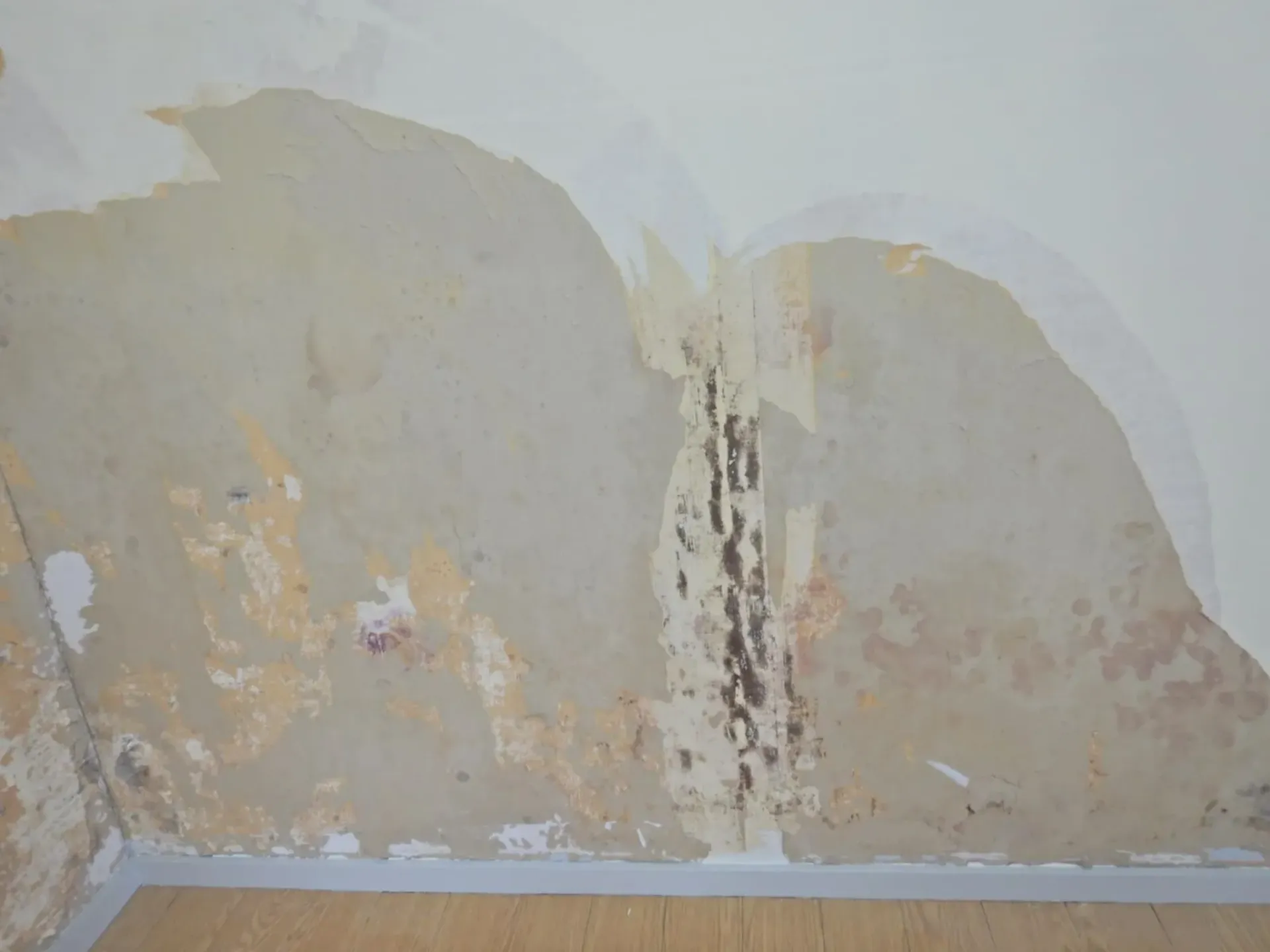
Tiny specks that look like soot, pepper, or tea stains often herald a much larger bloom behind drywall. If wiping with mild detergent merely smears the stain—or if it returns within days—assume the growth is active and spreading.
3. Condensation on Cold Surfaces
Regular fogging on windows, metal frames, or uninsulated pipes signals high indoor humidity—mold’s favorite climate. Condensation dripping onto sills or carpets can trigger rapid colonization within 24–72 hours.
4. Peeling Paint or Bubbling Wallpaper
Moisture trapped behind decorative layers loosens adhesives and provides nourishment for fungi. When paint lifts in ribbon‑like strips or wallpaper balloons outward, treat the cavity beneath as a potential mold hotspot.
5. Warped Wood and Softened Drywall
Structural materials that feel spongy under light pressure have likely absorbed significant moisture. Such substrates become breeding grounds where mold’s root‑like hyphae dig deep, compromising integrity.
6. Recurring Allergy‑like Symptoms Indoors
Sneezing, itchy eyes, or congestion that mysteriously clears when you spend time outside often points to indoor air contamination. Vulnerable individuals may also experience headaches, brain fog, or skin irritation.
7. Recent Water Intrusion—Even Minor
Overflowing potted plants, a leaky washing‑machine hose, or last month’s storm‑damaged roof can introduce enough moisture for spores to germinate. If any area stayed damp for more than 48 hours, stay vigilant.
8. Dark Grout Lines or Shower Caulking with Mildew “Shadowing”
Bathrooms naturally battle humidity, but when cleaning products no longer restore bright white grout, deeper fungal threads may be locked in the porous tile setting.
9. Unexplained Rust on Indoor Metal Fixtures
Oxidation inside closets or under sinks indicates sustained moisture. Where rust thrives, mold typically follows.
10. Unusually High Utility Bills
Hidden leaks behind walls can keep insulation wet, causing heating or cooling systems to work overtime. An unexpected spike in energy costs may be an indirect clue that moisture is trapped somewhere out of sight.
If any of these warnings sound familiar, do not dismiss them as harmless quirks of an aging building. Each clue represents an active environment in which mold gains strength, positions itself to release more spores, and erodes the comfort—and safety—of your living space. Swift, professional assessment is the only reliable way to uncover the full extent of contamination, prevent cross‑room spread, and protect both your health and your investment.
Living in or around Sendai? The moment a red flag appears, reach out to MIST Method® Mold Busters Sendai. Our bilingual specialists respond quickly, isolate affected zones, and guide you through the next steps in clear English—before those silent warnings escalate into visible, costly damage.
First Aid Measures Before the Experts Arrive
Simple Actions That Slow Mold—and Protect Your Health—Until Help Arrives
The moment you suspect mold, every minute counts. While waiting for professional support, you can take practical, low‑risk measures that limit the infestation’s advance and safeguard the people and pets you share your living space with. First, isolate the area: close doors, tape vents, and hang a plastic sheet if one room is clearly more affected than others. This prevents invisible spores from riding air currents into bedrooms or the kitchen. Next, eliminate excess moisture wherever you can. Wipe standing water, fix dripping taps, and run a portable dehumidifier set to 50 % relative humidity or lower. If weather permits, open windows on opposite sides of the home to create gentle cross‑ventilation, but keep fans off near the contaminated zone—strong airflow can scatter spores like confetti.
Equip yourself with basic protective gear—a disposable N95 mask, rubber gloves, and safety glasses—before handling anything in the suspect area. Gently remove easily washable fabrics (curtains, small rugs, children’s plush toys) and launder them in hot water with regular detergent, then dry them completely outdoors or in a vented dryer. Avoid scrubbing porous materials such as drywall, plywood, or acoustic ceiling tiles; vigorous cleaning drives mold deeper and forces spores airborne. Instead, place a labeled, resealable bag over small, detachable items that show visible growth to contain spread and to help experts assess the source later.
Finally, document everything with photos and brief notes—odor intensity, discoloration patterns, humidity readings—so you can provide clear information when the inspection team arrives. These straightforward steps don’t replace professional remediation, but they erect critical speed bumps in mold’s path, protect indoor air quality, and give you greater peace of mind while you await expert guidance.

Health & Property Risks of Delay
Every Day You Wait, Mold Grows Stronger—and So Does the Damage
Time is mold’s most loyal accomplice. The moment humidity meets an organic surface, spores begin to germinate, and each hour you hesitate gives those colonies a head start that compounds exponentially. Health repercussions often appear first. Tiny fragments of fungal cell walls and airborne mycotoxins irritate the respiratory system, provoking sneezing, coughing, and asthma flare‑ups in adults who have never considered themselves “allergy‑prone.” For babies, seniors, and anyone with compromised immunity, even brief exposure can escalate to bronchitis‑like infections or persistent sinus inflammation. Doctors may prescribe antihistamines, but if the indoor air remains contaminated, relief lasts only as long as the medication does.
Meanwhile, your property suffers in ways you cannot always see. Mold’s root‑like hyphae burrow into cellulose fibers, undermining drywall integrity and turning once‑solid studs into spongy sticks that fail compression tests. Insulation mats and loses R‑value, driving up heating and cooling bills. Metal fasteners corrode faster in the damp microclimate, loosening fixtures and squeaking floorboards. Cosmetic damage follows quickly: plaster bubbles, paint flakes, and flooring warps, leaving tell‑tale ripples that prospective buyers notice immediately—often slashing resale offers by thousands of yen.
Financial risk snowballs as remediation scope widens. What begins as a localized ceiling patch can morph into a full gut‑and‑replace project once hidden cavities test positive. Insurance rarely covers gradual mold growth, labeling it “preventable,” so the longer you delay, the more the burden shifts from policy to personal savings. Landlords may levy penalties for “tenant negligence”; homeowners may discover their mortgage provider demands proof of professional clearance before approving refinancing.
There is also reputational fallout for businesses or short‑term rental hosts. Online reviews mentioning “musty smell” or “black spots in the corner” deter future guests faster than any other complaint, and recovery campaigns cost precious marketing resources.
The takeaway is clear: postponement multiplies harm across human health, structural stability, and financial security. If you suspect mold—whether from persistent odor, discoloration, or unexplained respiratory discomfort—act the same day. Prompt professional assessment halts escalation, contains expenses, and restores a safe living environment before hidden colonies mature into a crisis. In Sendai’s humid climate, vigilance is your best investment; swift action with qualified experts is your best defense.
Why Sendai’s Climate Demands Fast Action
A Perfect Storm of Humidity, Rain, and Temperature Swings
Sendai may be famed for its fresh seafood and lush zelkova‑lined avenues, yet the very climate that nourishes this vibrant city also creates an ideal incubator for indoor mold. Located on Japan’s northeastern Pacific coast, Sendai sits at the crossroads of warm Kuroshio air currents from the south and cooler Oyashio breezes from the north. Each June the seasonal bai‑u front stalls overhead, bathing homes in weeks of near‑continuous drizzle and pushing relative humidity well above 80 %. Even after the rainy season retreats, late‑summer typhoons frequently funnel torrential downpours inland, saturating exterior walls, attic insulation, and crawl spaces that can take days—sometimes weeks—to dry.
Autumn brings dramatic temperature swings: crisp, cool nights follow steamy afternoons. These rapid shifts condense moisture on windowpanes, metal frames, and uninsulated pipes, providing fresh hydration to spores already lurking in wallpaper paste or tatami straw. Winter is no reprieve. While snowfall in Sendai is lighter than in Miyagi’s mountainous neighborhoods, it often melts and refreezes, driving meltwater into micro‑cracks before suddenly plummeting nighttime temperatures lock moisture inside structural cavities. The result is a year‑round cycle of wetting and slow drying—precisely the pattern mold thrives on.
Compounding the issue is the architectural character of many urban dwellings. Lightweight timber framing and gypsum‑board partitions, prized for earthquake resilience, also supply plentiful cellulose nutrients. Newer apartments sealed tight for energy efficiency limit natural airflow, turning kitchens and bathroom corners into stagnant microclimates where spores can germinate within 48 hours of a minor leak or steamy shower. Residents who travel often or keep windows closed to conserve heat may return to discover invisible colonies that have quietly ballooned behind closets and under flooring.
Delay magnifies these risks exponentially. Each day spent “waiting to see if the smell goes away” allows hidden hyphae to penetrate deeper into studs and subflooring, all while trillions of spores disperse into living areas with every opening door. Because Sendai’s next humidity spike is never far away, the probability of re‑wetting—and thus re‑activation—remains high even after a short dry spell. Airborne allergens accumulate, respiratory irritation rises, and costly structural decay accelerates long before stains appear.
For homeowners, renters, and expatriates unused to Tōhoku’s meteorological quirks, the takeaway is simple: time is not your ally. The region’s relentless humidity loops, sudden downpours, and temperature yo‑yo create conditions where “a small spot” can mature into widespread contamination in a single season. Swift, professional intervention is not mere convenience—it is the only reliable strategy for protecting both health and property in Sendai’s uniquely challenging climate. If you detect even the faintest musty odor or see condensation forming where it never used to, act immediately and let bilingual experts contain the problem before nature’s next humidity surge hands mold another advantage.
When to Call MIST Method® Mold Busters Sendai
Know the Signs—Know the Moment
When should you stop observing, stop wiping, and start dialing MIST Method® Mold Busters Sendai? Below is a practical decision map you can trust, distilled into plain English for residents and expatriates alike.
First, visible growth that returns within days—even after thorough cleaning—demands professional attention. Mold that “resurfaces” is not stubborn dirt; it is an entrenched colony inside walls or flooring, and each new bloom releases countless spores into your breathing zone.
Second, unexplained musty odors lingering more than forty‑eight hours signal hidden moisture. If the smell concentrates in closets, beneath sinks, or behind large furniture, the source is likely sheltered from air and light—conditions ideal for rapid fungal expansion. Temporary masking sprays buy you no time; they merely hide an escalating bio‑load.
Third, call immediately after any water incident that kept surfaces wet for over twenty‑four hours: roof leaks, burst pipes, flooding, or even a slow drip you discovered too late. Mold spores germinate within forty‑eight hours at humidity levels above sixty percent, and Sendai’s coastal climate often exceeds that benchmark. Early intervention can limit remediation to a single wall section instead of an entire floor.
Fourth, health symptoms that ease when you leave home—persistent coughs, irritated eyes, or headaches—suggest indoor air contamination. Vulnerable groups such as children, seniors, and allergy sufferers face heightened risk; do not wait for medical confirmation before securing an inspection.
Fifth, if you plan to sell, rent, or renovate a property, schedule a professional assessment beforehand. Undetected mold can derail real‑estate negotiations, inflate renovation budgets, and, under Japan’s disclosure rules, expose you to liability if the new occupant discovers a pre‑existing problem.
Sixth, repeat DIY failures are a flashing warning light. Over‑the‑counter biocides and bleach solutions treat only surface stains on non‑porous materials; gypsum board, plywood, and tatami absorb moisture deep enough that household chemicals cannot reach. Each failed attempt disperses spores further, widening the eventual remediation scope.
Seventh, call when humidity remains above fifty‑five percent indoors despite dehumidifier use. Persistent moisture often indicates structural or ventilation issues that require specialized equipment—thermal cameras, hygrometers, and airflow meters—to pinpoint.
Finally, trust your instincts. If something “feels off” with the air quality, or if guests remark on a dank scent, err on the side of caution. In Sendai’s ever‑changing weather, small anomalies can explode into full‑scale infestations between one rainy weekend and the next.
Remember: mold thrives on delay. The sooner you involve trained professionals, the smaller the containment zone, the lower the costs, and the faster you reclaim a safe, healthy living space. Keep our number handy and reach out at the first definitive—or even suspicious—sign. Taking action today means breathing easier tomorrow.
How to Reach Us—24/7 Bilingual Support
Call, Click, or Chat—Help Is Just One Touch Away
When mold anxiety strikes at midnight, during a holiday, or while you are still jet‑lagged from an international move, the last thing you need is a complicated phone tree or a language barrier. That is why MIST Method® Mold Busters Sendai has engineered a truly round‑the‑clock, bilingual support network that meets you where you are—literally and linguistically. Our 24/7 hotline (+81‑22‑208‑8966) connects you directly to an English‑speaking specialist within sixty seconds, no matter the hour. Prefer typing? Visit our mobile‑friendly website and open the live‑chat widget; you will see “EN/日本語” at the top—tap your language and start a real‑time conversation. For expatriates who rely on messaging apps, we maintain verified LINE, WhatsApp, and WeChat accounts; send a photo or short video of the suspected mold, and our team will respond with immediate triage advice and schedule options.
Booking an on‑site inspection is equally frictionless. Click the “Emergency Visit” button on our site, choose a two‑hour arrival window, and receive an instant confirmation email in English and Japanese. Need a paper trail for landlords, property managers, or insurance claims? Request one‑click PDF reports that summarize your inquiry, attach timestamped photos, and outline next steps—automatically generated and sent to your inbox within minutes.
Traveling or self‑isolating? We also offer secure video assessments via Zoom or Google Meet; a technician guides you through a virtual walkthrough, using screen‑shared moisture‑meter readings and real‑time annotations so you can see exactly what we see. Every digital interaction, from chat transcripts to inspection footage, is stored on an encrypted server in Japan, ensuring privacy compliance with both local and international standards.
In short, reaching us requires zero guesswork, zero waiting, and zero translation apps. Whether you are a lifelong resident, an exchange student, or a newly arrived family setting up home in Tōhoku, help is always just one tap, click, or call away. Save our contact details now—because fast, clear communication is the first step to a mold‑free, worry‑free living space.
----------------------------------------------------------------------
MPソリューション株式会社
愛知県名古屋市千種区田代本通3-16
電話番号 :
052-784-5817
FAX番号 :
052-784-5613
----------------------------------------------------------------------